

The U.S. Army has awarded the hotly-contested Flight School Next (FSN) contract to M1 Support Services, the service has announced, marking a major victory for M1 and aircraft platform provider Robinson Helicopter.
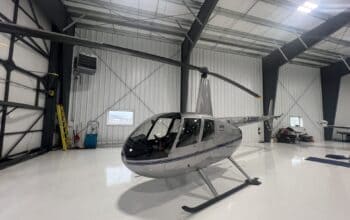
The contract, worth $10 billion and with the potential to run up to 26 years, will see future U.S. Army aviators complete their initial entry rotary-wing training in Robinson R66 helicopters.
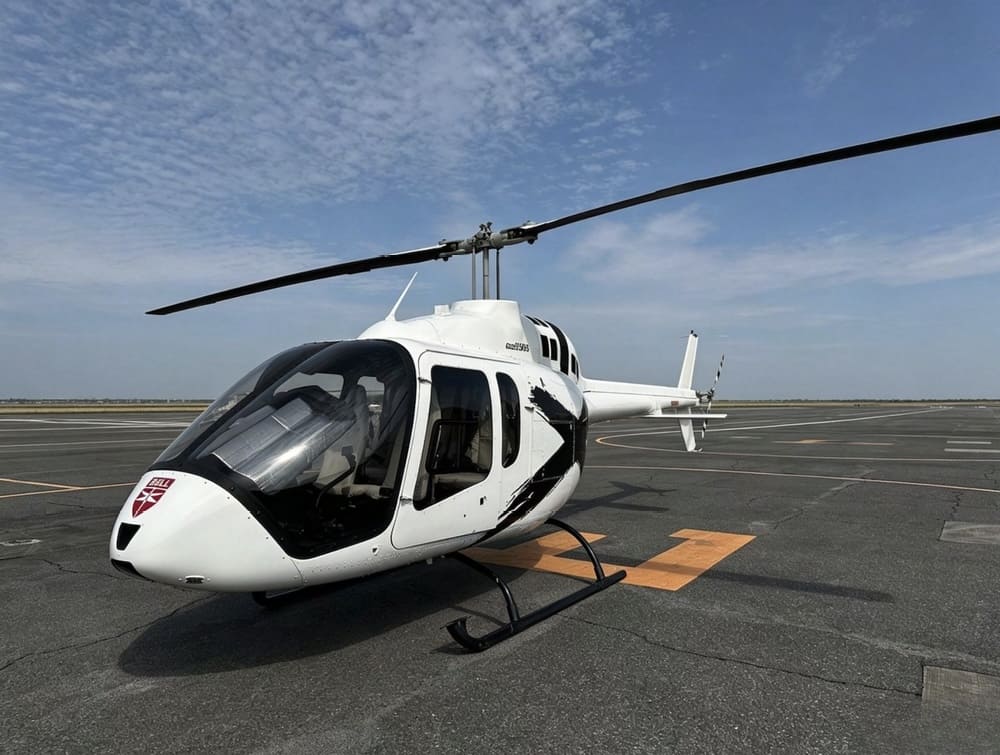
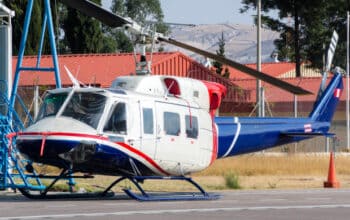
It will replace the Airbus UH-72A Lakota in this role, and beat off competition from Bell, which was offering its 505 light single, in the final round of consideration.
The Army said the choice would increase training efficiency, accountability, and throughput of Army aviators.
M1 will provide a contractor-owned, contractor-operated solution to train 800 to 1,500 Army pilots each year at Fort Rucker, Alabama. Aircraft, maintenance, simulators, flight and academic instruction will all be provided by the company and its partners.
The transition between programs is expected to begin next year and span three to four years, the Army said. The first year of training will see 25 percent of students using FSN, and this will increase to 100 percent by the fourth year.
“Flight School Next delivers a critical improvement in our Initial Entry Rotary Wing Training model. Simply put, it delivers new military helicopter pilots with far better foundational skills,” said Maj. Gen. Clair A. Gill, commanding general of the U.S. Army Aviation Center of Excellence. “The fact that it delivers this increased capability at a significant long-term savings to our Army is a great added benefit.”
During the bidding process, M1 said its “Flight School First” proposal will feature an AI-enabled virtual training environment, advanced simulation, and proficiency-based learning.
In addition to Robinson, its partners include General Dynamics Information Technology, Quantum Helicopters, and the University of North Dakota Aerospace Foundation.
“By partnering with industry and leveraging a streamlined aircraft fleet and fully integrated modern training system, Flight School Next ensures we will continue producing highly capable aviators prepared to dominate the future fight,” said Gill.