
The U.S. Federal Aviation Administration wants aerial firefighting operators and fire agencies to help shape rulemaking that would allow wildland firefighters to be carried on board a limited number of restricted category civil aircraft.
In an advance notice of proposed rulemaking (ANPRM) published Sept. 14, the FAA requests public input on “the current availability of firefighter transportation resources, hindrances and needs influencing their transport, and cost-benefit considerations affecting the transport of firefighters on certain aircraft.”
The ANPRM is a first, overdue step toward complying with a Congressional mandate issued more than two years ago. Section 360 of the 2024 FAA Reauthorization Act directed the agency to conduct rulemaking within 18 months that would allow firefighters to be transported to and from the site of a wildfire using restricted category aircraft, with the goal of supplementing the existing fleet of standard category aircraft used to shuttle wildland firefighters.
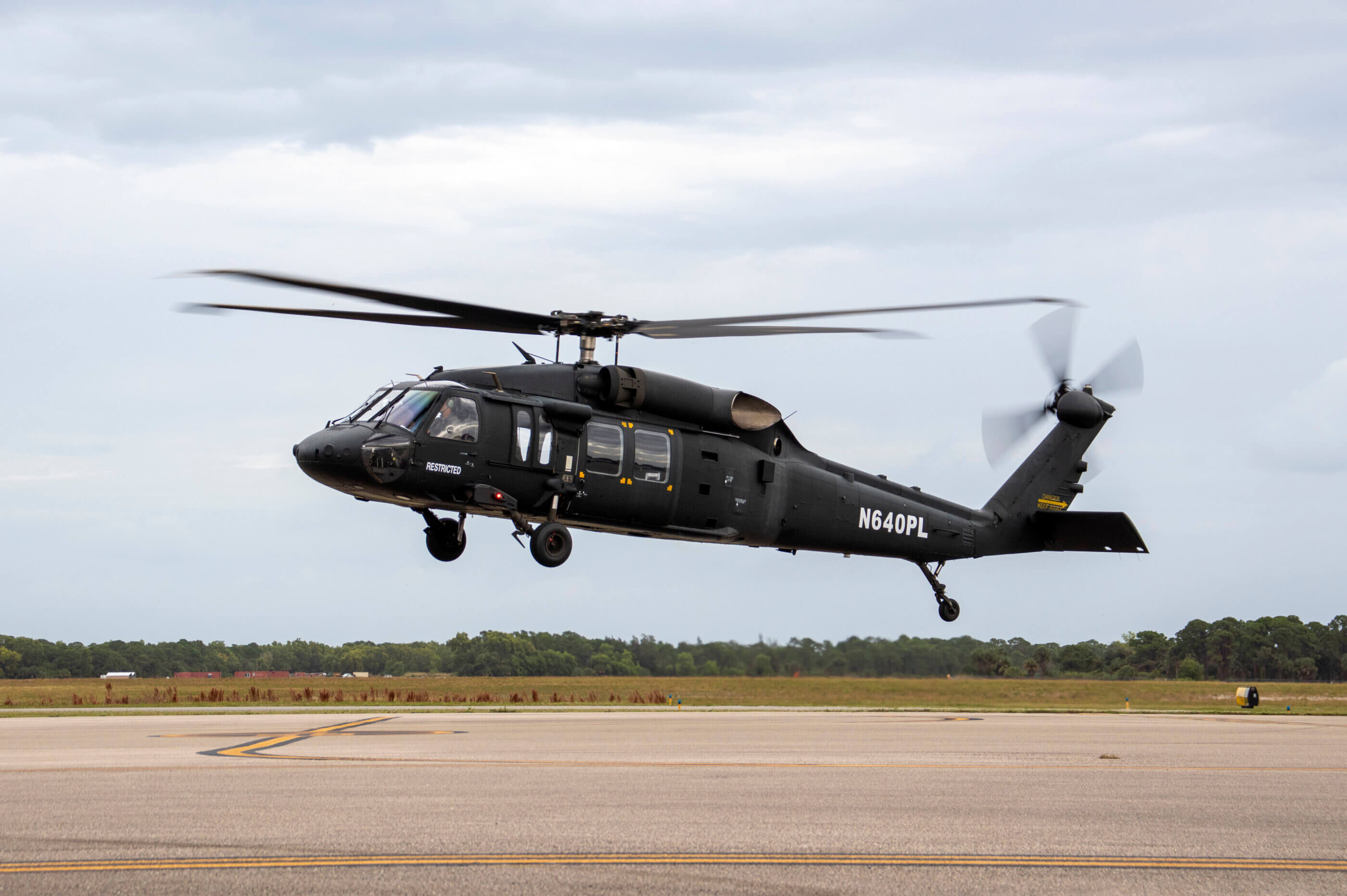
However, the act explicitly excluded surplus military aircraft, which account for a large majority of the restricted category helicopters being used for aerial firefighting operations in the United States. In doing so, it effectively created a regulatory carve-out for Lockheed Martin Sikorsky’s S-70M Firehawk and the small number of older S-70 helicopters that are also certificated in the restricted category.
This exclusion was not what the lawmakers who introduced the mandate originally intended, as Vertical reported in detail at the time. But a Congressional fight over additional airline slots at Ronald Reagan Washington National Airport meant an amendment that would have made surplus military Black Hawk helicopters eligible to carry firefighters never received a vote.
Restricted category aircraft do not hold a standard category type certificate, but are certificated by the FAA for one or more special purpose operations defined in 14 Code of Federal Regulations 21.25. These include the “aerial dispensing of firefighting materials” — dropping water or retardant on fires.
Under 14 CFR 91.313, restricted category aircraft are prohibited from carrying persons or property for compensation or hire, and from being operated for other than the special purpose for which they are certificated. The FAA confirmed in a 2018 legal interpretation that approval for water-dropping operations does not provide the authority to transport firefighters for ground firefighting.
Public aircraft operators, such as state and county governments that operate their own aircraft, are not subject to these restrictions. Until recently, civilian operators using restricted category aircraft to conduct public aircraft operations (PAO) on behalf of government entities were also exempt from these rules.
However, another section of the 2024 FAA Reauthorization Act requires these civilian operators to now comply with the FAA’s operating and maintenance regulations, including 91.313 — effectively prohibiting them from transporting firefighters using restricted category aircraft. The ANPRM suggests the rulemaking mandated by section 360 could help compensate for any resulting shortages in the number of aircraft available to carry firefighters.
The ANPRM is intended to gather information from the public to help the FAA assess options for safely implementing the requirements of section 360. To that end, it poses a number of specific questions related to the number and types of aircraft currently used for transporting firefighters.
The FAA wants to know whether fire agencies are facing difficulties in finding contractors to transport firefighters using standard category aircraft, and what types of restricted category civil aircraft, other than surplus military aircraft, would be capable of transporting firefighters under the new regulatory framework.
The agency also wants to know whether organizations have policies, procedures, or contractual requirements that prevent the transportation of firefighters on restricted category aircraft, and whether they would revise these policies and procedures if the FAA lifted its own prohibition. It also asks organizations to estimate how the rulemaking would impact the number of firefighters transported to suppress wildfires, if at all.
The FAA is additionally seeking information related to the economic impact of the rulemaking. Section 360 empowers the FAA to impose the aircraft maintenance, inspections, and pilot training requirements of 14 CFR Part 135 on restricted category aircraft used to transport firefighters, and the agency is requesting estimates of the costs of meeting these requirements by aircraft make and model. It also wants to know what impact a rulemaking would have on operators who are currently transporting firefighters using standard category aircraft.
Finally, the FAA asks, “What additional quantitative or qualitative benefits or drawbacks does your organization anticipate from a rulemaking based upon the directives Congress stipulated in section 360?”
The FAA will accept comments on the ANPRM through Nov. 13, 2026, at Regulations.gov. Although comments will be filed in the public docket by default, organizations that submit private commercial or financial information may designate those comments as confidential business information to protect them from disclosure.